

Fake Websites and Domain Abuse: When Someone Builds a Digital Copy of Your Brand
A website using your name, logo, and branding can mislead customers into sharing data or making payments. What domain abuse looks like, what to preserve, and who to approach.
3 min read
On this page
Key takeaways
- Fake websites can lead customers to disclose personal information or make payments to an impersonator.
- Domain abuse covers confusingly similar domains, copied branding, and sites built to impersonate a business.
- Preserve the URL, screenshots, domain information, and time of discovery before contacting anyone.
- New domains appear after takedowns, so monitoring has to be continuous.
“I found a website using my company's name, logo and branding.”
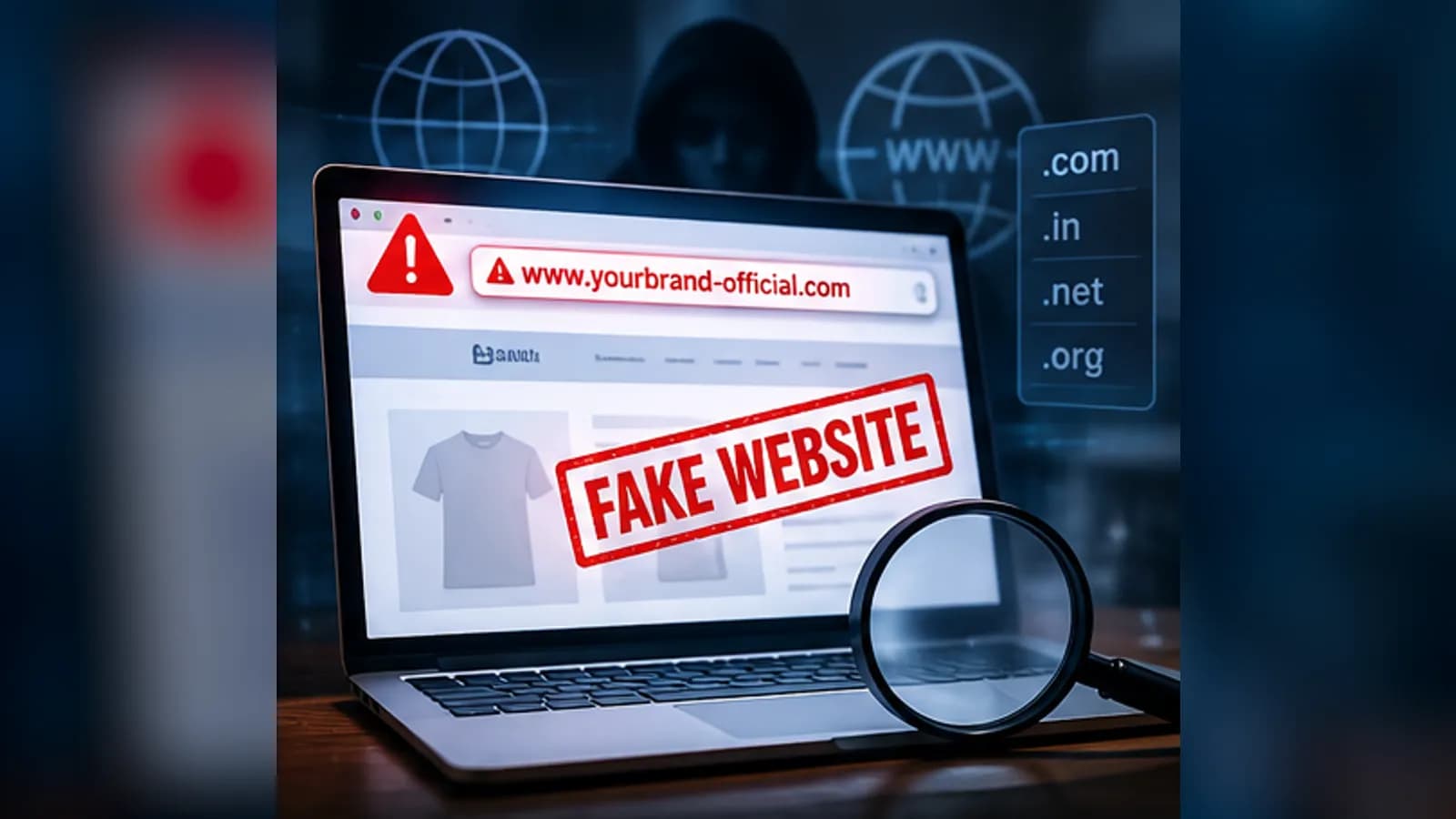
A fake or misleading website can create serious risks. Customers may believe they are dealing with the genuine business and may disclose personal information, make payments or otherwise interact with an impersonating platform.
What domain abuse looks like
Domain abuse can include unauthorised use of a trademark, confusingly similar domain names, copied branding, fraudulent websites and websites designed to impersonate a legitimate business.
Where to monitor
Brands should monitor domain registrations, search-engine results, websites, advertisements and other digital channels for suspicious use of their name, logo or trade identity.
Preserve evidence before you approach anyone
Before approaching the website operator or hosting provider, preserve the URL, screenshots, domain information, website content, contact details and date and time of discovery. Digital evidence can change or disappear quickly.
Who to approach
Depending on the circumstances, action may involve the domain registrar, hosting provider, platform, search engine, intermediary or legal proceedings. The appropriate route depends upon the nature of the misuse and the evidence available.
One takedown does not end the problem
Discovering one fake website does not mean the problem has ended. New domains can appear after an earlier one is taken down. Continuous monitoring can therefore be considerably more economical than repeatedly instructing lawyers to conduct manual searches.
DiReFTY monitors digital environments for domain abuse, fraudulent websites, brand impersonation and other online threats, with enforcement expertise available when escalation is necessary.
Frequently asked questions
I found a website using my company's name and logo. What should I do?
Preserve the URL, screenshots, domain information, website content, contact details, and the date and time of discovery first. Then approach the registrar, hosting provider, platform, or search engine depending on the nature of the misuse.
Why do fake websites come back after a takedown?
New domains can be registered after an earlier one is taken down. That is why domain abuse is handled through continuous monitoring rather than one-off searches.
Know your digital reputation exposure
Start with a free assessment of the threats targeting your brand across every channel.
Keep reading
Fake Reviews: How They Damage Businesses and What You Can Do About It
Customer trust is built long before a customer ever visits - and fake reviews quietly dismantle it. How review manipulation damages businesses, and where protection begins.
Threat IntelligenceFake Instagram Accounts and Brand Impersonation
Brands spend years building audiences and trust. Impersonation accounts exploit that trust in days. Why proactive social monitoring is now essential.