

The Rise of Fake Websites: How Brands Can Protect Customer Trust
June 16, 2026 · Updated July 8, 2026
Key takeaways
- Fake websites copy a real brand's logo, design, and domain to deceive customers and collect payments or data.
- Victims often blame the genuine brand, so the reputational damage lands on you.
- Registering one domain isn't protection - attackers use lookalike spellings and alternative extensions.
- Monitoring domains, search, and mentions lets you detect and take down fake sites before customers are harmed.
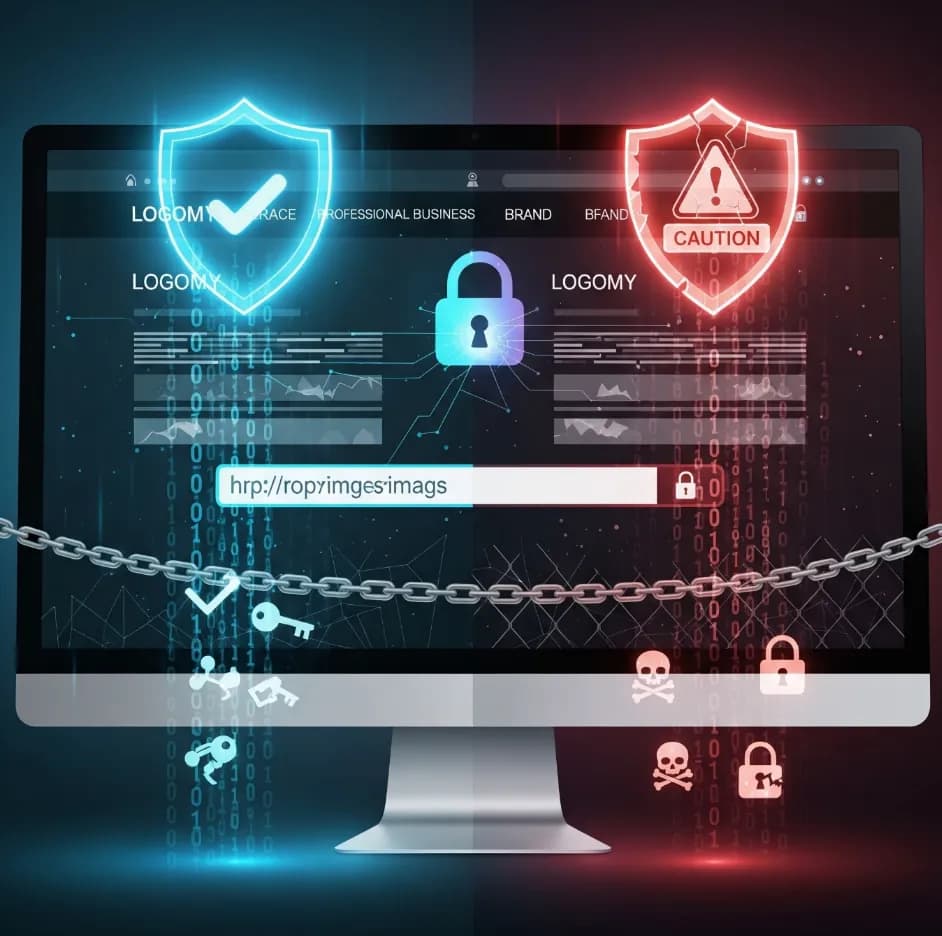
Fake websites have become one of the fastest-growing threats facing businesses in the digital economy. Cybercriminals and bad actors frequently create websites that closely resemble legitimate brands, often copying logos, designs, content, and domain names to deceive customers.
How fake websites exploit customer trust
The objective is simple: exploit trust. Fake websites may collect payments, steal customer information, distribute fraudulent offers, or damage a company's reputation. In many cases, customers only realize they have been deceived after suffering financial loss or experiencing poor service, often blaming the genuine brand in the process.
Which businesses are most at risk
D2C brands, healthcare providers, educational institutions, professional service firms, and hospitality businesses are particularly vulnerable because customers frequently interact with them online. As digital transactions increase, so does the opportunity for impersonation and fraud.
Why registering your domain isn't enough
Many organizations mistakenly assume that registering a domain name is sufficient protection. In reality, threat actors often register lookalike domains using minor spelling variations, additional words, or alternative extensions that appear legitimate to unsuspecting users.
Detecting and taking down fake sites
Protecting customer trust requires proactive monitoring. Businesses should regularly monitor domain registrations, search engine results, social media channels, and online mentions to identify suspicious activity at an early stage. Rapid detection can significantly reduce the impact of fraudulent websites and help protect customers from harm.
At DiReFTY, we view fake website detection as a critical component of Digital Reputation Safety. Trust is one of the most valuable assets a business possesses. As online threats continue to evolve, protecting that trust must become a continuous priority rather than a reactive exercise.
Frequently asked questions
How do I know if a fake website is impersonating my brand?
Watch for lookalike domains that vary your name by a letter, add words, or use a different extension, plus copied logos, design, and content. Monitoring new domain registrations and search results surfaces these early.
What can I do if someone clones my website?
Preserve evidence, then report the site to the domain registrar, hosting provider, and relevant platforms with proof of your brand ownership. A documented, policy-based takedown request is far more effective than an informal complaint.
Does registering my domain protect me from fake websites?
No. Owning your primary domain doesn't stop attackers from registering similar ones with minor spelling changes or different extensions that look legitimate to customers.
How does DiReFTY detect fake websites?
DiReFTY monitors domain registrations, search results, social channels, and brand mentions to identify impersonation sites early, then coordinates evidence and takedown reporting to limit customer harm.
Know your digital reputation exposure
Start with a free assessment of the threats targeting your brand across every channel.
Keep Reading