

Fake Social-Media Profiles and Brand Impersonation: Is Your Brand Being Imitated Online?
A fake Instagram, Facebook, or LinkedIn profile can solicit money, message customers, and damage your reputation. What to preserve, how to act, and why removed accounts keep coming back.
3 min read
On this page
Key takeaways
- Fake profiles copy a brand's name, logo, photos, and descriptions to solicit money or contact customers.
- Searching for one account after a complaint is reactive; new profiles and handles need monitoring.
- Preserve the profile URL, username, posts, messages, and any customer interactions.
- Removed accounts are often replaced, which makes impersonation suited to continuous monitoring.
“Someone has created a social-media account pretending to be my business.”
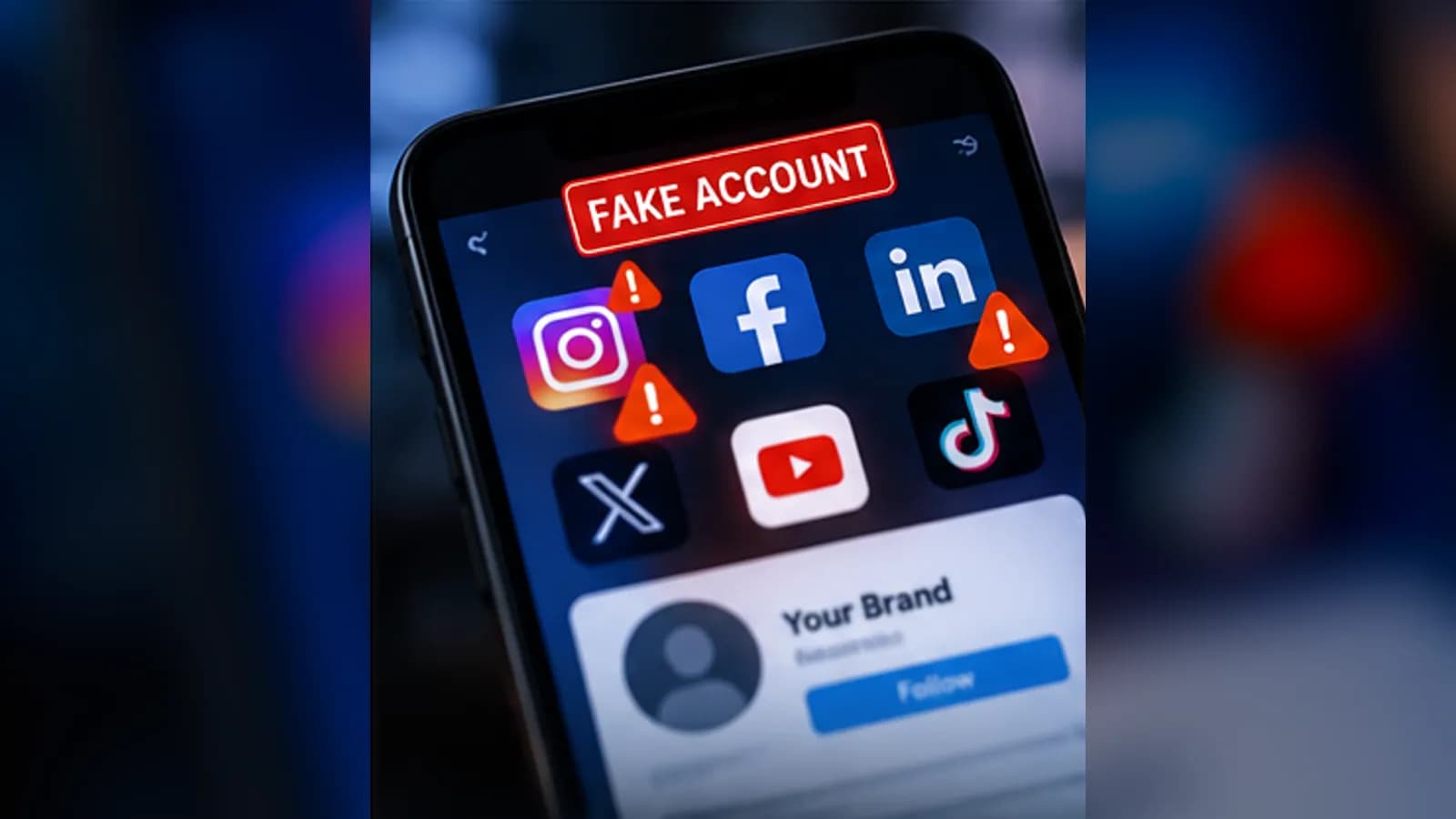
A fake Instagram, Facebook, LinkedIn or other social-media profile can create confusion and may be used to solicit money, communicate with customers or damage the reputation of the genuine business.
What brand impersonation involves
Brand impersonation can involve copying a company's name, logo, photographs, descriptions, identity or other distinctive elements. The legal and platform consequences depend on the precise circumstances.
From reactive searching to monitoring
Searching for one fake account after receiving a complaint is reactive. Effective brand protection requires monitoring for new profiles, pages, handles and other accounts that may imitate the brand.
What to preserve
Preserve the profile URL, username, screenshots, posts, messages, follower information and other relevant details. If customers have interacted with the impersonator, those communications may also be important.
How to act
Depending on the circumstances, action may involve reporting the account to the platform, submitting an impersonation or IP complaint, issuing a legal notice, or pursuing further legal remedies.
Why removed accounts come back
Social-media impersonation is particularly suitable for continuous monitoring because a removed account can be replaced by another. Maintaining an in-house monitoring system or repeatedly engaging legal counsel for every suspected profile may not be commercially efficient.
DiReFTY detects fake social-media profiles, brand impersonation and digital identity abuse, preserving relevant evidence and supporting appropriate escalation where required. Its approach is informed by practical experience in IP enforcement and litigation.
Frequently asked questions
Someone created a social-media account pretending to be my business. What should I do?
Preserve the profile URL, username, screenshots, posts, messages, and any customer communications, then report the account to the platform through an impersonation or IP complaint. Escalate with a legal notice where the circumstances call for it.
Why does a fake account reappear after it is removed?
Impersonators can simply create a new profile or handle. Monitoring for new accounts that imitate the brand catches the replacement rather than only the original.
Know your digital reputation exposure
Start with a free assessment of the threats targeting your brand across every channel.
Keep reading
Fake Reviews: How They Damage Businesses and What You Can Do About It
Customer trust is built long before a customer ever visits - and fake reviews quietly dismantle it. How review manipulation damages businesses, and where protection begins.
Threat IntelligenceFake Instagram Accounts and Brand Impersonation
Brands spend years building audiences and trust. Impersonation accounts exploit that trust in days. Why proactive social monitoring is now essential.