

Digital Reputation Safety for Doctors and Clinics
June 9, 2026 · Updated July 8, 2026
Key takeaways
- Patients research doctors online before booking, making a clinic's digital reputation a core clinical asset.
- Fake patient reviews, impersonation, and medical misinformation can shift patient decisions with only a handful of entries.
- Healthcare reputation is uniquely fragile because credibility is tied directly to patient trust.
- Continuous monitoring protects a practice while clinicians focus on care.
Healthcare is built on trust. Before choosing a doctor, clinic, dentist, or aesthetic practice, most patients conduct online research. They review Google ratings, social media profiles, healthcare directories, websites, and patient feedback. As a result, a healthcare provider's digital reputation has become one of its most valuable assets.
The reputation risks doctors and clinics face
Unfortunately, healthcare professionals are increasingly vulnerable to digital threats. Negative review campaigns, fake patient reviews, impersonation accounts, unauthorized use of photographs, misleading content, and fake websites can significantly impact patient confidence. Even a small number of inaccurate or malicious reviews may influence patient decisions and affect practice growth.
Why healthcare reputation is uniquely fragile
Unlike many businesses, doctors face unique challenges because professional credibility is directly linked to patient trust. A damaged online reputation can affect patient acquisition, referrals, partnerships, and long-term brand value. Moreover, healthcare professionals often have limited time and resources to monitor multiple online platforms.
A structured approach to protecting your practice
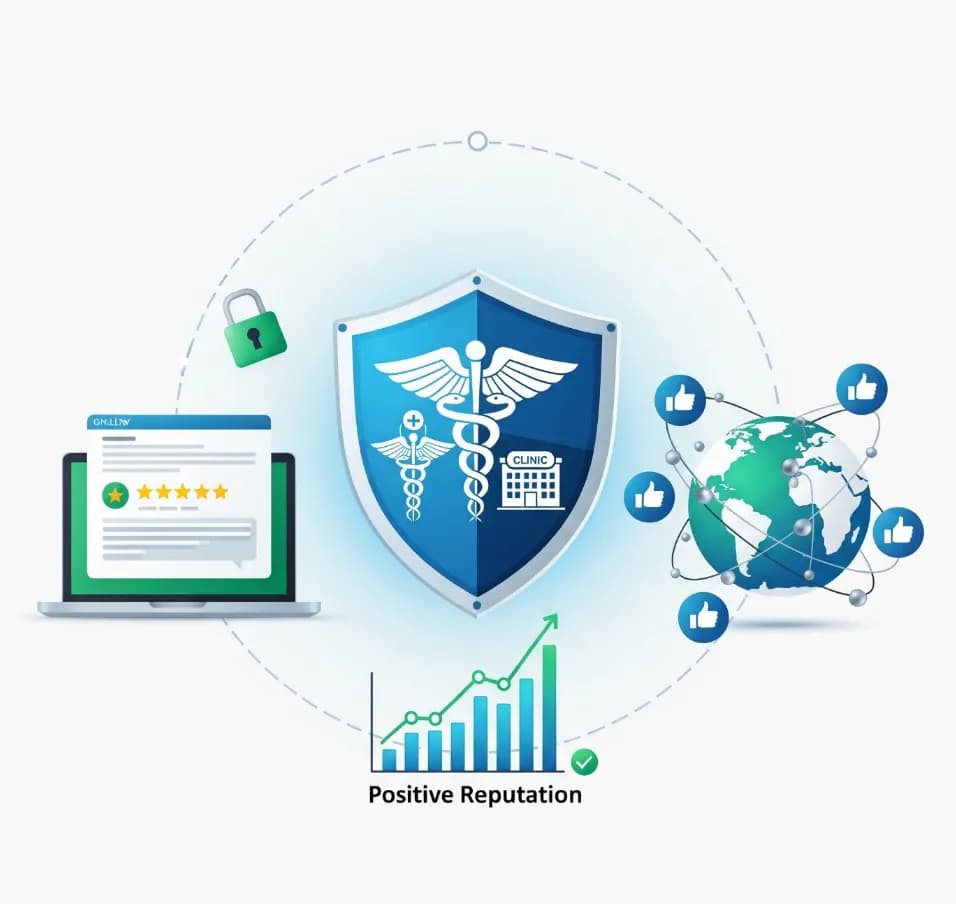
Digital Reputation Safety provides a structured approach to protecting healthcare brands. This includes monitoring review platforms, identifying impersonation attempts, tracking brand mentions, detecting misinformation, and responding appropriately to digital threats before they escalate.
How DiReFTY protects healthcare brands
At DiReFTY, we believe that doctors and clinics should focus on patient care while technology and monitoring systems help safeguard their digital presence. By identifying risks early and preserving online trust, healthcare professionals can continue building strong patient relationships without unnecessary reputational disruptions.
In today's healthcare ecosystem, protecting a clinic's reputation is as important as protecting its physical infrastructure. Patient trust begins long before the first consultation takes place.
Frequently asked questions
How do fake reviews affect doctors and clinics?
Because patients weigh online ratings heavily before booking, even a few fake or malicious reviews can reduce new-patient enquiries and referrals, and unchallenged negative campaigns tend to attract more of the same.
Can someone impersonate a doctor or clinic online?
Yes - impersonators create fake profiles, clone clinic pages, and misuse doctors' names and photographs. These accounts can mislead patients, solicit payments, or damage a practice's credibility.
How can a busy clinic monitor its online reputation?
Manual monitoring across every platform isn't realistic for a working practice. A monitoring service tracks reviews, profiles, mentions, and misinformation continuously and flags the threats that need action.
How does DiReFTY help healthcare providers?
DiReFTY monitors review platforms, detects impersonation, tracks brand mentions and misinformation, and coordinates removal of harmful content - so clinicians can focus on patients while their digital reputation stays protected.
Know your digital reputation exposure
Start with a free assessment of the threats targeting your brand across every channel.
Keep Reading